AI and the Human Touch
Why People Still Define Mobility
One of the most common fears around AI is that services will become impersonal. But mobility is not a transaction — it’s an emotional life event. In this final part of the series, we explore why the human touch still defines mobility, and how AI can actually make that human connection stronger.
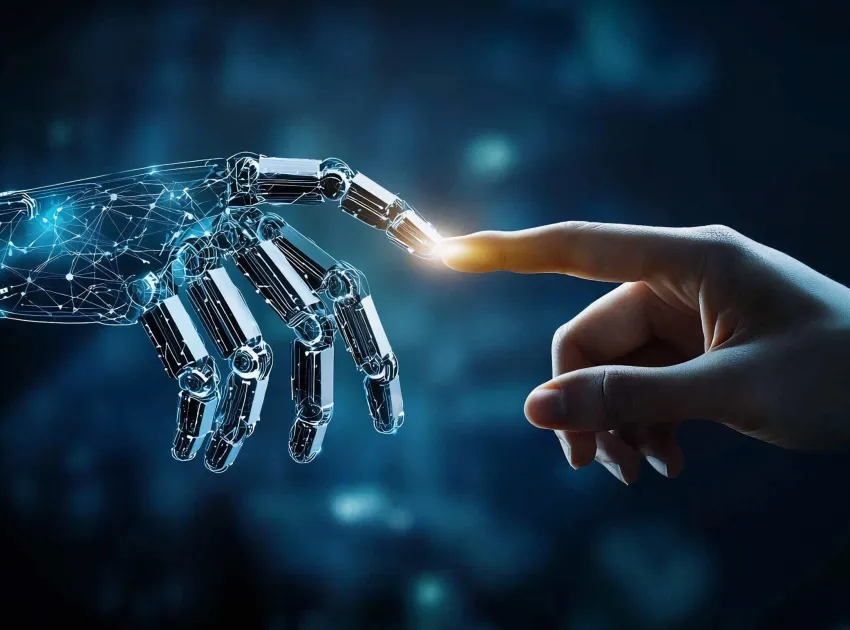
Not everything benefits from automation
AI can streamline intake, pricing, reporting, and administrative steps. But the moments that define the relocation experience are still human: reassurance during stress, calm guidance in uncertainty, and the intuitive understanding of what someone needs. Wiebe van Bockel, CCO of Voerman Group reflects this truth: “People will remain the differentiator… It needs both.”
Some clients want digital-first journeys. Others want personal support at every turn. Our responsibility is to honour both — with the right balance of touchpoints.

What should remain human
Some areas of mobility require experience and nuance:
- key account management
- complex coordination
- escalation handling
- personal guidance
- emotional support during major transitions
As Wiebe says: “For now, key account management and specialised customer support will remain largely manual, because clients value expertise and personal care.” That’s not a limitation — it’s a strength.
The real shift: humanity becomes more visible
As automation increases, human interactions become more meaningful. AI provides structure, speed, and clarity. People provide context, empathy, and emotional intelligence.
Kenneth Philips, CEO of Reedge expresses it beautifully: “AI won’t replace the human touch — it will amplify it.”
This is how we approach innovation: elevating the emotional quality of mobility, not reducing it.

A closing thought
Every innovation we build aims to create more space for connection. More time for a thoughtful call. More room for meaningful support. More space for human understanding during moments of change.
Or as Kenneth puts it: “Moving is emotional and technology should help bring that emotion back to the heart of what we do.”